Camping Guide: Redwood National And State Parks
Rich in wildlife, history, and inspiring sights, this is one unique park that is worth every mile to get to. Don’t sleep on this beautiful landscape shared between the State and National Parks.
In this Guide:
About
A UNESCO World Heritage site, and filming location for The Lost World: Jurassic Park, the Redwood National and State Parks are as stunning as they seem. This park system is a combination of 1 national park and 3 state parks, which include:
- Redwood National Park
- Prairie Creek Redwoods State Park
- Del Norte Coast Redwoods State Park
- Jedediah Smith Redwoods State Park
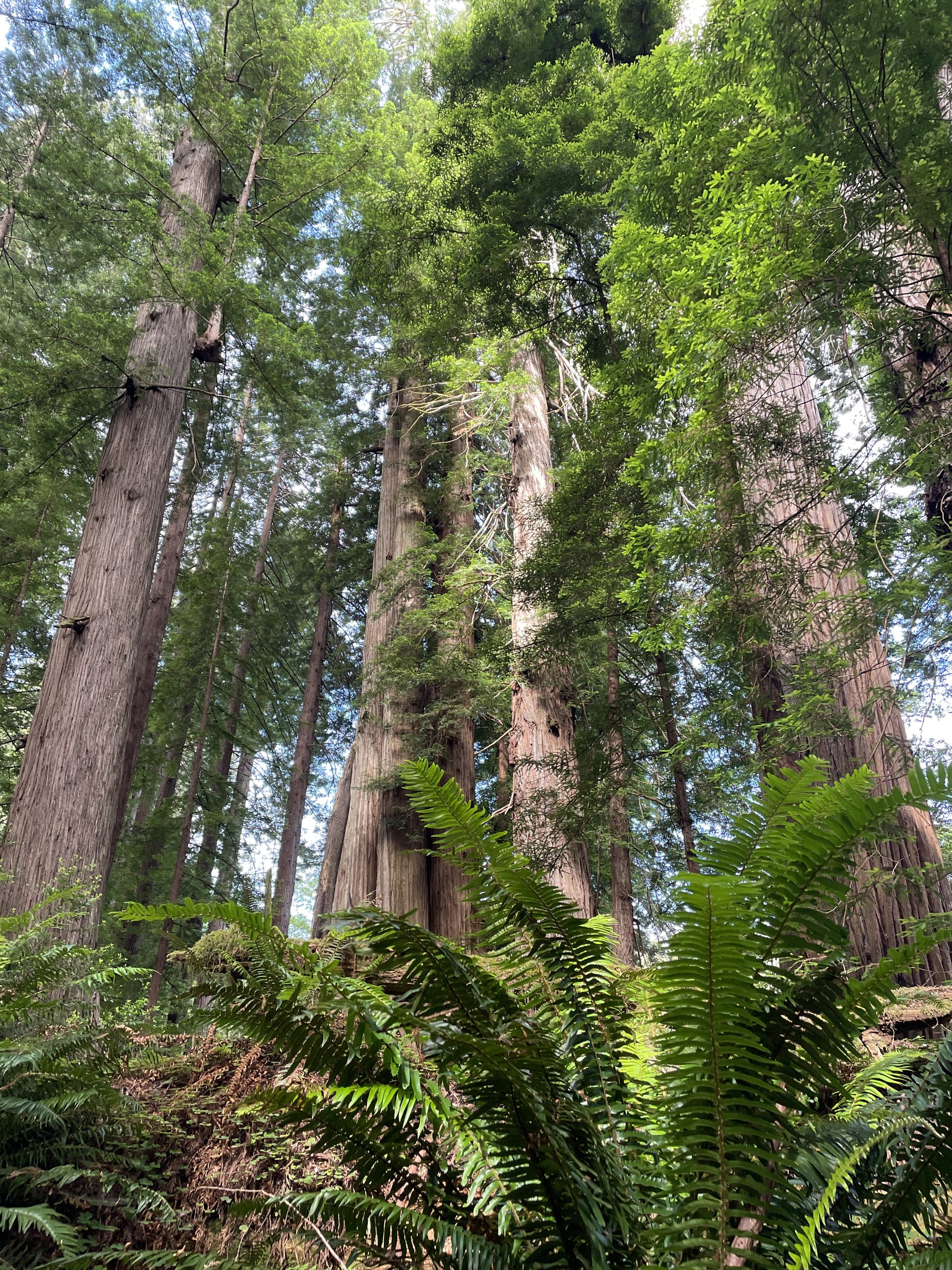
In total, these four parks cover 139,000 acres. Today, only 5% of the original old-growth redwood forest is left anywhere in the world, and these parks protect 45% of what’s left. They contain the tallest recorded trees in the entire world, combined with dense, lush foliage that makes for an inspiring place to camp. It is an essential habitat for wildlife including elk herds, and it protects critical rivers and watersheds that provide clean drinking water for millions.
Since 1994, these parks have been jointly managed by both the National Park Service and California State Parks. Each of the four park units offers a unique experience and landscape, with slightly different rules and camping opportunities.
Curious about National Parks in general? Read more about How To Camp In National Parks.
Details For Visiting
Visitor Centers
Thomas H. Kuchel Visitor Center – Located in Orick, CA, this beachside visitor center has several small programs, historical films and dioramas, small museums, gifts, hiking and camping resources, and access to local trails.
Prairie Creek Visitor Center – Just north of Orick, CA, this smaller visitor center is surrounded by tall redwoods and offers ranger-led programs, a small gift shop, and information on hiking and camping.
Jedediah Smith Visitor Center – Inside of the Jedediah Smith Redwoods State Park, this seasonally operated visitor center offers small programs, books, and information on camping and hiking throughout the park.
Crescent City Information Center – Right in the heart of Crescent City, this visitor center provides resources, gifts, and information on hiking and camping across the entire Redwood National and State Parks system.
Hiouchi Visitor Center – Located in the northern part of the parks, this center offers art, books, ranger programs, and plenty of hiking and camping information to explore the park.
How To Get There
Driving
From San Francisco, California, it is a ~6 hour drive.
From Redding, California, it is a ~3.5 hour drive.
From Medford, Oregon, it is a ~2.5 hour drive.
Flying
The closest major airport is the Rogue Valley-Medford International Airport, in Medford, Oregon. If you fly here, it will require an additional ~2.5 hour drive to the northern areas of the park.
Nearest Towns Or Cities
This is a very remote area with large distances in between fuel and food stops. Make sure you plan accordingly on how you’ll re-supply and take breaks on your trip to explore the parks. Below are some of the nearest towns surrounding the Redwood National and State Parks.
Eureka, CA – access to southern areas of the parks:
This is one of the larger cities in northern California, with a population of 25,000. From Eureka, it is roughly 45 minutes to the Thomas H. Kuchel Visitor Center. There are a few other small towns and stops just north of Eureka, but it’s best to do any major shopping or refills here before you continue up to the park. The tourism here is mainly to gain access to the National and State Parks, and the local aquarium, so you won’t find as many accommodations or exciting activities. But you will find groceries, gas, pharmacies, and some small lodging options. Google Maps to Eureka, CA.
Crescent City, CA – access to the northern areas of the parks:
Crescent City is just west of the northern tip of the park, and only a 20-minute drive to the entrance of the Del Norte Coast Redwoods State Park (one of the 3 state parks that make up this unit). It has a population of 5,921 and has all the essential services and shops you’d need to restock on food or fuel. Similar to Eureka, the dominant draw for this town is the access to the National and State Parks, so the opportunities for lodging and activities here are a bit limited other than your basic needs. Google Maps to Crescent City, CA.
When To Visit
Some campgrounds and visitor centers are closed – or have reduced hours – in the off-season (October-May). In general, conditions are always relatively cool, with the fall and winter seasons bringing the heavier rainfall.
Spring can be a great time to visit, as the rainy season begins to settle down. Wildflower blooms and plants begin to cover the landscape, and the temperatures begin to slowly warm up towards the summer season.
Summer still maintains cooler temperatures in the park, and the coastal areas will receive a lot of fog and mist during this time, which makes for some dramatic scenes among redwoods. The farther inland you go, the more the fog will lift. This is a great time to visit if you want to escape some heat from warmer areas and enjoy the park outside the rainy season.
Fall is the start of the rainy season, and temperatures will begin to drop more substantially. Be prepared for more regular rainfall and cooler conditions throughout.
Winter brings the heavy rainfall and much cooler temperatures. While most of the parks are still accessible, conditions on trails and roads can be much more dangerous. Be prepared for mostly wet to soaking conditions.
Points Of Interest
Scenic Drives: We’re all about camping, but it’s hard to dismiss the wonder of driving through these enormous trees. The park system has some incredibly scenic drives with access to beautiful vistas, hiking trails, and just places to pull over and eat a sandwich among the redwoods. When you’re in between camping or hiking, take a pleasant cruise along routes including the Newton B. Drury Scenic Parkway, Howland Hill Road, Bald Hills Road, and other scenic drives.
Trillium Falls: A popular and accessible hike, this loop features a small waterfall and plenty of redwoods and other large trees and ferns. The waterfall is only 1/2 mile from the trailhead, or you can continue for the full 3-mile loop. You’ll find parking, bathrooms and picnic areas at the trailhead, which make it a great family outing or casual hike.
Tall Trees Grove: One of the prime areas for redwoods, this grove sits along the Redwood Creek and shows off the true grandeur of the redwoods. An article by National Geographic in 1963 featured this grove, which helped build support for the creation of the park system we see today. Free reservations made online are required for this hike, and only 50 groups are permitted each day. A 4.5-mile hike with about 1,600 feet in elevation gain, this is a moderately difficult trail which takes roughly 4 hours total, not including your gawking and awing at the trees. Click here to apply for your free online permit for the Tall Trees Grove.
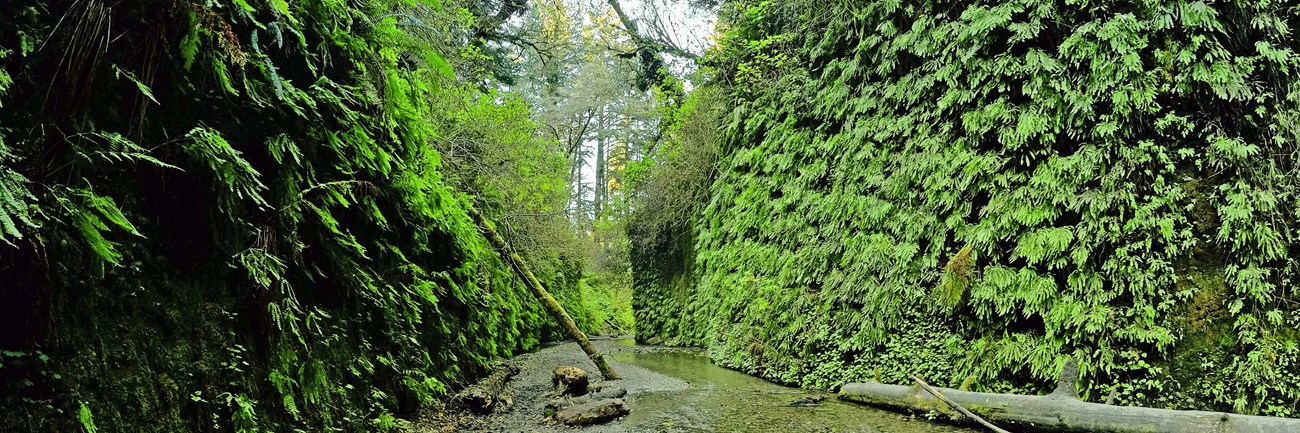
Fern Canyon Loop Trail: Famous for its 30-foot canyon walls of ferns, this 1-mile loop trail is a popular stop for visitors. Parking reservations are required during peak times from May 15 – September 15. This hike requires walking through creeks and navigating rougher terrain, so be prepared to get wet and scramble over a few obstacles.
Camping Etiquette
Regardless of where you camp on our public lands, it’s important to learn, practice, and share proper camping etiquette. Some key items include:
- Understand the Leave No Trace principles.
- Do not ever feed, approach, or disturb any wildlife.
- Be respectful to other campers (noise, lights, space).
- Unless you have access to trash facilities, please pack everything out (including poop and TP).
- Leave the place better than you found it.
- Please try to use already established camping areas instead of creating your own.
For more info, please read our article on Camping Etiquette For Beginners.
Types Of Camping Allowed
Depending on which of the four parks you visit, they will offer different types of camping experiences. But between all of them, you’ll have no trouble finding the type of camping that suits you.
Car Camping:
Driving up to a camping area and packing your gear in a car. This can be at a developed campground, primitive campground, or on your own as dispersed camping. Ultimately, anywhere you camp with your car is “car camping.” For a full guide on car camping, read our Car Camping Basics article.
Backpacking:
Where you travel only by foot and carry all your gear, food, and supplies in a backpack. For a full guide on backpacking, read our Backpacking Basics article.
Animal Packing:
Where you travel with a pack animal such as a horse, mule or llama to carry your gear and supplies. Allowed in designated areas only.
Below are details on where you can camp in each of the four parks that make up the entire Redwood National and State Parks system. This includes Redwood National Park, Prairie Creek Redwoods State Park, Del Norte Coast Redwoods State Park, and Jedediah Smith Redwoods State Park.
Where You Can Camp In “Redwood National Park” (Park 1 of 4)
The Redwood National Park only has backcountry and primitive experiences. There are no developed campgrounds inside this portion of the park (developed campgrounds are available in the three state parks).
Primitive Campsites:
A “primitive campsite” is a designated camping area with little to no amenities, is typically first-come, first-served, and usually just provides a place to set up your tent. You may get lucky with a fire ring, but these campsites are mainly to provide safe areas for people to camp in more remote places and to help protect the landscape and wildlife by preventing excessive dispersed camping. Available primitive campsites here include:
Little Bald Hills Camp
This campsite is in an open prairie, surrounded by tall conifer trees and old-growth redwood forests nearby.
- Hiking distance: 3.3 miles to the camp, one way. 1,800-foot elevation gain.
- Number of campsites: 4 regular sites, and 1 group campsite (20 people). Horse corrals available.
- Group size: 8 people per campsite.
- Passes: You do not need a federal pass to enter the Redwood National Park. Unlike most National Parks, there are no entrance stations or entry fees. The State Parks do require a pass, and they will honor federal passes, including the “America The Beautiful Pass.”
- Permits: A free backcountry permit is required, made online only through the Redwood Parks Conservancy. No fees.
- Reservations: You will reserve specific dates when applying for your free backcountry permit. No fees.
- Amenities: Fire rings, food storage lockers, picnic tables, composting toilets.
- Fire: Only allowed in designated fire rings. You can collect dead or downed wood only from within 1/4 mile of the camp. If local fire restrictions are in place, then campfires will not be permitted (camp stoves are allowed).
- Water: Non-potable water is available. You must either carry your own drinking water, or filter and treat water from an available source.
- Waste: You must pack out all trash and garbage.
- Human waste: Only in the compost toilets, or pack out all human waste including toilet paper using a WAG bag.
- Pets: No pets are allowed. Exceptions for service animals.
- Alerts: Before any trip, always check the current conditions and alerts for the area.
- General rules:
- Mountain bikes allowed at this camp.
- Pack animals allowed at this camp.
- It is illegal to feed wildlife, and dangerous for people and animals.
- Keep the campsite clean and free of crumbs and odorous items.
- Do not leave fires, or even smolders, unattended. Put out all fires so they’re cool to the touch.
- Making shortcuts on trails is prohibited. Going off trail causes severe and lasting damage including erosion, habitat destruction, increased flood risks, increased safety risks for people, and costly maintenance.
- Practice Leave No Trace.
- Additional resources:
- Check here on the NPS site for more details on Little Bald Hills Camp.
DeMartin Camp
A woodsy, shady backcountry camp surrounded by tall trees and situated near the coast, a great place to experience the redwoods and the Pacific Ocean.
- Hiking distance:
- 3 miles to camp via the Coastal Trail, starting at the DeMartin Section Trailhead.
- 2.5 miles to camp from Wilson Creek Picnic Area. To access the Coastal Trail, you will have to cross the highway either from the picnic area or slightly north of there.
- Number of campsites: 10 regular sites. Horse corrals available.
- Group size: 8 people per campsite.
- Passes: You do not need a federal pass to enter the Redwood National Park. Unlike most National Parks, there are no entrance stations or entry fees. The State Parks do require a pass, and they will honor federal passes, including the “America The Beautiful Pass.”
- Permits: A free backcountry permit is required, made online only through the Redwood Parks Conservancy. No fees.
- Reservations: You will reserve specific dates when applying for your free backcountry permit. Specific sites are not reservable – they are first-come, first-served. No fees.
- Amenities: Fire rings, food storage lockers, picnic tables, composting toilets.
- Fire: Only allowed in designated fire rings. You can collect dead or downed wood only from within 1/4 mile of the camp. No chopping down wood. If local fire restrictions are in place, then campfires will not be permitted (camp stoves are allowed).
- Water: No treated water available, no reliable water sources nearby. At this camp, you must carry all of your own drinking water.
- Waste: You must pack out all trash and garbage.
- Human waste: Only in the compost toilets, or pack out all human waste including toilet paper using a WAG bag.
- Pets: No pets are allowed. Exceptions for service animals.
- Alerts: Before any trip, always check the current conditions and alerts for the area.
- General rules:
- Mountain bikes allowed at this camp.
- Pack animals allowed at this camp.
- It is illegal to feed wildlife, and dangerous for people and animals.
- Keep the campsite clean and free of crumbs and odorous items.
- Do not leave fires, or even smolders, unattended. Put out all fires so they’re cool to the touch.
- Making shortcuts on trails is prohibited. Going off trail causes severe and lasting damage including erosion, habitat destruction, increased flood risks, increased safety risks for people, and costly maintenance.
- Practice Leave No Trace.
- Additional resources: Check here on the NPS site for more details on DeMartin Camp.
Elam Camp
Deep in the forest and near the redwoods, this remote camp is situated near the Redwood Creek and offers lush, dense foliage.
- Hiking distance:
- 7.5 miles to camp starting from Orick Horse Trailhead.
- 3 miles to camp starting from Redwood Creek Trailhead.
- 6.5 miles to camp starting from Tall Trees Trailhead.
- Number of campsites: 3 regular sites. Corrals available.
- Group size: 8 people per campsite.
- Park passes: You do not need a federal pass to enter the Redwood National Park. Unlike most National Parks, there are no entrance stations or entry fees. The State Parks do require a pass, and they will honor federal passes, including the “America The Beautiful Pass.”
- Permits: A free backcountry permit is required, made online only through the Redwood Parks Conservancy. No fees.
- Reservations: You will reserve specific dates when applying for your free backcountry permit. Specific sites are not reservable – they are first-come, first-served. No fees.
- Amenities: Fire rings, food storage lockers, picnic tables, composting toilets.
- Fire: Only allowed in designated fire rings. You can collect dead or downed wood only from within 1/4 mile of the camp. If local fire restrictions are in place, then campfires will not be permitted (camp stoves are allowed).
- Water: No treated water available. At this camp, you must carry all of your own drinking water, or treat it from an available source nearby.
- Waste: You must pack out all trash and garbage.
- Human waste: Only in the compost toilets, or pack out all human waste including toilet paper using a WAG bag.
- Pets: No pets are allowed. Exceptions for service animals.
- Alerts: Before any trip, always check the current conditions and alerts for the area.
- General rules:
- Mountain bikes are prohibited.
- Pack animals allowed at this camp.
- It is illegal to feed wildlife, and dangerous for people and animals.
- Keep the campsite clean and free of crumbs and odorous items.
- Do not leave fires, or even smolders, unattended. Put out all fires so they’re cool to the touch.
- Making shortcuts on trails is prohibited. Going off trail causes severe and lasting damage including erosion, habitat destruction, increased flood risks, increased safety risks for people, and costly maintenance.
- Practice Leave No Trace.
- Additional resources: Check here on the NPS site for more details on Elam Camp.
Flint Ridge Camp
This campsite is tucked into a wooded area on top of a ridgeline, and is near the Pacific Ocean with access to coastal bluffs and old-growth coast redwood forests.
- Hiking distance:
- 0.25 miles to camp starting from the Coastal Trail – Flint Ridge Section Trailhead (Coastal Drive road).
- 4.5 miles to camp starting from Coastal Trail – Flint Ridge Section Trailhead (Alder Camp road).
- There is bicycle access via Coastal Drive, but then you must walk your bicycle 0.25 miles to camp (bicycle riding not allowed on Coastal Trail – Flint Ridge Section).
- Number of campsites: 8 regular sites.
- Group size: 8 people per campsite.
- Park passes: You do not need a federal pass to enter the Redwood National Park. Unlike most National Parks, there are no entrance stations or entry fees. The State Parks do require a pass, and they will honor federal passes, including the “America The Beautiful Pass.”
- Permits: A free backcountry permit is required, made online only through the Redwood Parks Conservancy. No fees.
- Reservations: You will reserve specific dates when applying for your free backcountry permit. Specific sites are not reservable – they are first-come, first-served. No fees.
- Amenities: Fire rings, food storage lockers, picnic tables, composting toilets.
- Fire: Only allowed in designated fire rings. You can collect dead or downed wood only from within 1/4 mile of the camp. If local fire restrictions are in place, then campfires will not be permitted (camp stoves are allowed).
- Water: No treated water available, no reliable water sources nearby. At this camp, you must carry all of your own drinking water.
- Waste: You must pack out all trash and garbage.
- Human waste: Only in the compost toilets, or pack out all human waste including toilet paper using a WAG bag.
- Pets: No pets are allowed. Exceptions for service animals.
- Alerts: Before any trip, always check the current conditions and alerts for the area.
- General rules:
- Mountain bikes are prohibited.
- Pack animals are prohibited.
- It is illegal to feed wildlife, and dangerous for people and animals.
- Keep the campsite clean and free of crumbs and odorous items.
- Do not leave fires, or even smolders, unattended. Put out all fires so they’re cool to the touch.
- Making shortcuts on trails is prohibited. Going off trail causes severe and lasting damage including erosion, habitat destruction, increased flood risks, increased safety risks for people, and costly maintenance.
- Practice Leave No Trace.
- Additional resources: Check here on the NPS site for more details on Flint Ridge Camp.
44 Camp
This campsite is located deep in the forest near Redwood Creek, with massive old-growth redwoods, spruce, and other lush, shady foliage.
- Hiking distance:
- 3 miles to camp from Tall Trees Trailhead.
- 8 miles to camp from Redwood Creek Trailhead.
- 13 miles to camp from Orick Horse Trailhead.
- Number of campsites: 4 regular sites. Corrals available.
- Group size: 8 people per campsite.
- Passes: You do not need a federal pass to enter the Redwood National Park. Unlike most National Parks, there are no entrance stations or entry fees. The State Parks do require a pass, and they will honor federal passes, including the “America The Beautiful Pass.”
- Permits: A free backcountry permit is required, made online only through the Redwood Parks Conservancy. No fees.
- Reservations: You will reserve specific dates when applying for your free backcountry permit. Specific sites are not reservable – they are first-come, first-served. No fees.
- Amenities: Fire rings, food storage lockers, picnic tables.
- Compost toilets are out of order at this camp. You must pack out all human waste and toilet paper. It is recommended to use a WAG bag.
- Fire: Only allowed in designated fire rings. You can collect dead or downed wood only from within 1/4 mile of the camp. If local fire restrictions are in place, then campfires will not be permitted (camp stoves are allowed).
- Water: No treated water available. At this camp, you must carry all of your own drinking water, or treat it from an available source nearby.
- Waste: You must pack out all trash and garbage.
- Human waste: Because the compost toilets are not functioning, please pack out all human waste, including toilet paper, using a WAG bag.
- Pets: No pets are allowed. Exceptions for service animals.
- Alerts: Before any trip, always check the current conditions and alerts for the area.
- General rules:
- Mountain bikes are prohibited.
- Pack animals allowed at this camp.
- It is illegal to feed wildlife, and dangerous for people and animals.
- Keep the campsite clean and free of crumbs and odorous items.
- Do not leave fires, or even smolders, unattended. Put out all fires so they’re cool to the touch.
- Making shortcuts on trails is prohibited. Going off trail causes severe and lasting damage including erosion, habitat destruction, increased flood risks, increased safety risks for people, and costly maintenance.
- Practice Leave No Trace.
- Additional resources: Check here on the NPS site for more details on 44 Camp.
Dispersed Camping:
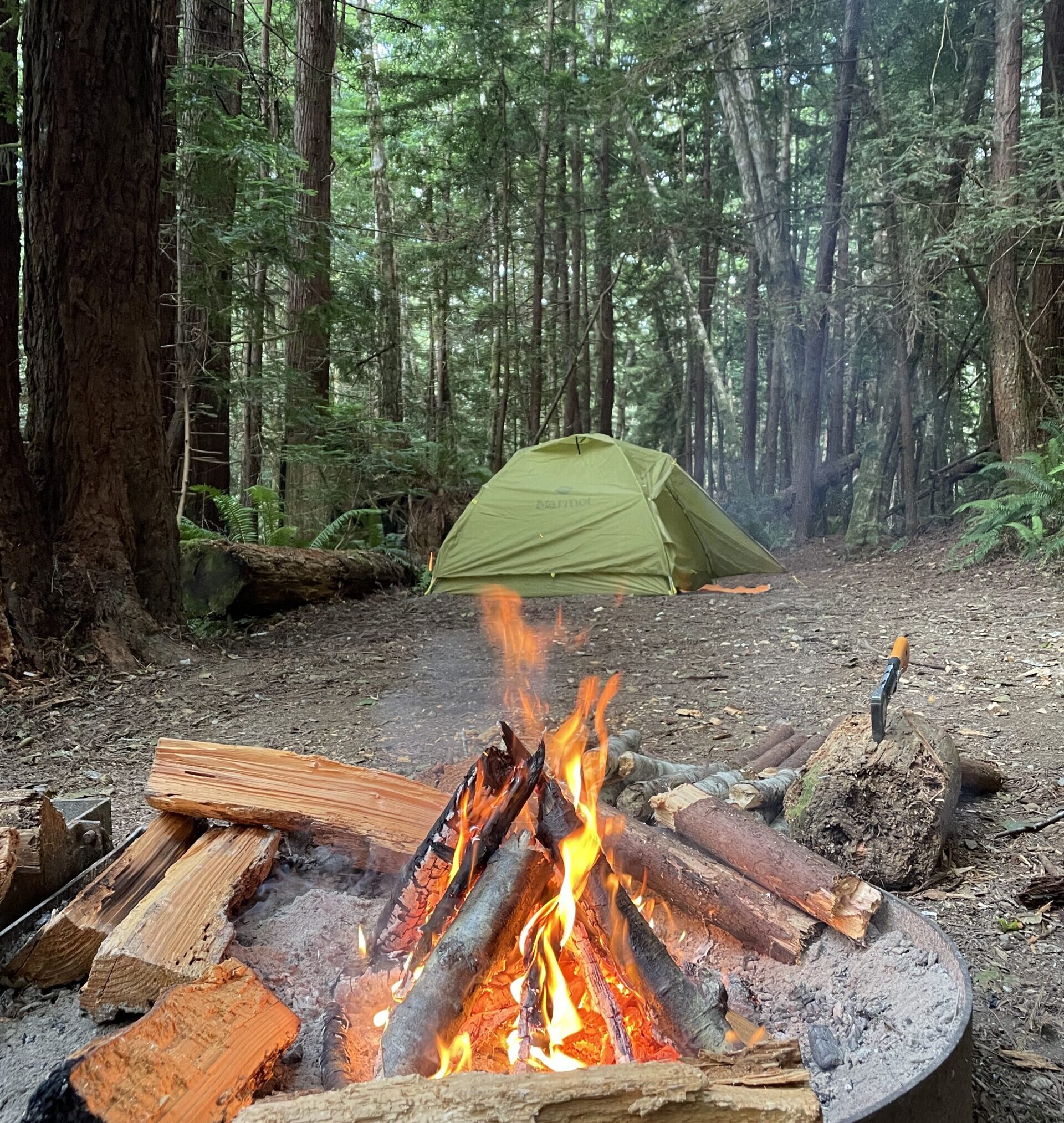
Dispersed camping (sometimes called “wild camping” or “backcountry camping”) is any camping on public lands outside of developed areas or campgrounds. No facilities, no campground host, and no fire rings. Just you and Mother Nature.
Redwood Creek Gravel Bar
This is the only area within the entire park system where you can dispersed camp.
- Where you can dispersed camp:
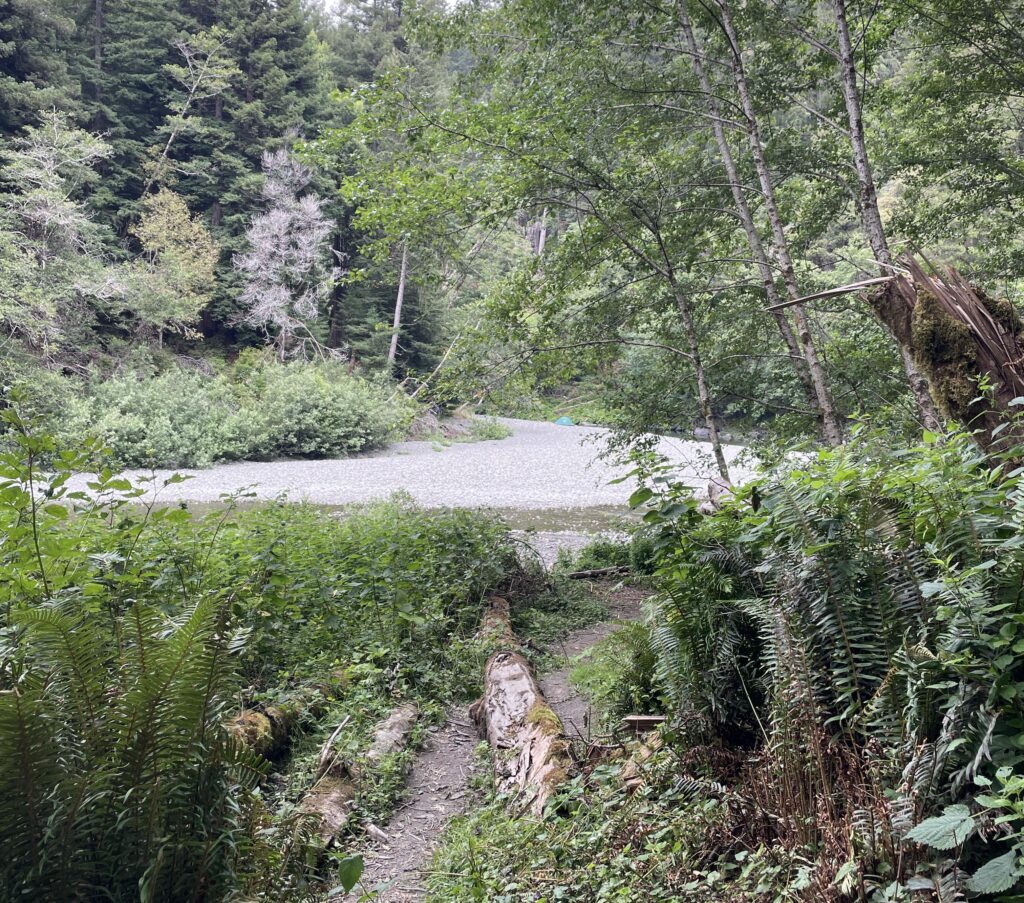
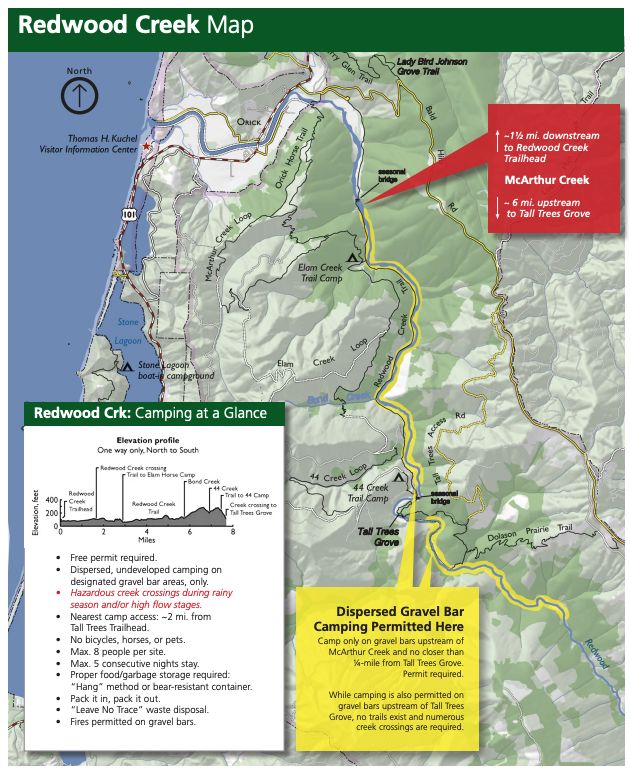
- Dispersed camping is only permitted on a small stretch of gravel bars along the southern part of Redwood Creek. You can only camp on the gravel bars, must be upstream of McArthur Creek, and must be at least 1/4 mile or greater from the Tall Trees Grove.
- Hiking distance:
- Tall Trees Trailhead: ~2.5 miles
- Redwood Creek Trailhead: ~1.5 miles
- Orick Horse Trailhead: ~6.5 miles
- Number of campsites: N/A. Dispersed camping is first-come, first-served, no designated sites.
- Group size: Each night is limited to 50 people for dispersed camping on the gravel bar.
- Passes: You do not need a federal pass to enter the Redwood National Park. Unlike most National Parks, there are no entrance stations or entry fees. The State Parks do require a pass, and they will honor federal passes, including the “America The Beautiful Pass.”
- Permits: A free backcountry permit is required, made online only through the Redwood Parks Conservancy. No fees.
- Reservations: You will reserve specific dates when applying for your free backcountry permit. Specific sites are not reservable – dispersed camping sites are chosen on a first-come, first-served basis. No fees.
- Amenities: None. Dispersed camping is on your own.
- Fire: Campfires are only permitted on the gravel bar under normal conditions. You must make a fire ring using large rocks to contain the fire. You can collect dead or downed wood only from the gravel bar. If local fire restrictions are in place, then campfires will not be permitted. Camp stoves are allowed.
- Water: No treated water available. At this camp, you must carry in all of your own drinking water, or treat it from Redwood Creek or another available source.
- Waste: You must pack out all trash and garbage.
- Human waste: You must pack out all human waste, including toilet paper. It is recommended to use a WAG bag.
- Pets: No pets are allowed. Exceptions for service animals.
- Alerts: Before any trip, always check the current conditions and alerts for the area.
- General rules:
- Must camp only on the gravel bars, must be upstream of McArthur Creek, and must be at least 1/4 mile or greater from the Tall Trees Grove.
- Try to use existing camp spots instead of creating new ones.
- Mountain bikes are prohibited.
- Pack animals are prohibited.
- It is illegal to feed wildlife, and dangerous for people and animals.
- Keep the campsite clean and free of crumbs and odorous items.
- Wash dishes (or yourself) at least 200 feet away from any water sources.
- Do not leave fires, or even smolders, unattended. Put out all fires so they’re cool to the touch.
- When leaving, extinguish fires and dismantle completely; bury with sand and/or gravel, leaving no visual evidence of fire behind.
- Making shortcuts on trails is prohibited. Going off trail causes severe and lasting damage including erosion, habitat destruction, increased flood risks, increased safety risks for people, and costly maintenance.
- Practice Leave No Trace.
- Additional resources: Check here on the NPS site for more details on dispersed camping on the Redwood Creek Gravel Bar.
Where You Can Camp In “Prairie Creek Redwoods State Park” (Park 2 of 4)
Located in the southern region of the park system, this park stretches from coast to meadows to woodlands, offering a glimpse into the entire ecosystem of this incredible park.
Developed Campgrounds:
A “developed campground” comes with basic amenities and facilities, usually including fire rings, vault toilets (no water or flushing), tent platforms, potable water spigots, firewood for sale, and picnic tables. Oftentimes a campground host will be present to answer questions and collect fees.
There are two developed campgrounds in the Prairie Creek Redwoods State Park.
Elk Prairie Campground
- Number of campsites: 75 sites.
- Group size: 8 people per campsite.
- Passes: No passes required. Your campground reservation is all you need.
- Permits: No permits required. Your campground reservation is all you need.
- Reservations: During the regular season, you must reserve a campsite on reservecalifornia.com. There is a $35 fee per campsite.
- From early October to mid-May, reservations are no longer available, and the campsites are chosen on a first-come, first-served basis, fee paid at kiosk or with campground host.
- Amenities: Campground host, fire rings, food storage lockers, trash and recycling containers, picnic tables, potable water, firewood for sale, flush toilets, hot showers (free).
- Fire: Only allowed in designated fire rings. No wood collection allowed. Firewood available for sale with campground host. Camp stoves are permitted. Please only bring or buy local firewood, which helps prevent tree-killing pests from damaging the local forests. Visit firewood.ca.gov for more info.
- Water: Potable water is available.
- Waste: You must place all trash and recycling in the appropriate containers provided by the campground.
- Human waste: Only allowed in the bathroom facilities provided at the campground.
- Pets: Allowed in designated areas, must be on a leash. All pet waste must be picked up and disposed of in the trash containers provided by the campground.
- Alerts: Before any trip, always check the current conditions and alerts for the area.
- General rules:
- It is illegal to feed wildlife, and dangerous for people and animals.
- Keep the campsite clean and free of crumbs and odorous items.
- Do not leave fires, or even smolders, unattended. Put out all fires so they’re cool to the touch.
- Practice Leave No Trace.
- Additional resources: Check here on the NPS site for more details on Elk Prairie Campground.
Gold Bluffs Beach Campground
Right along the stunning, misty coast of the Pacific Ocean, this campground offers the quintessential NorCal coastal experience.
- Number of campsites: 26 sites.
- There is one unique backcountry site available within this campground. See “Primitive Campsites” below for more information.
- Group size: 8 people per campsite.
- Passes: No passes required. Your campground reservation is all you need.
- Permits: No permits required. Your campground reservation is all you need.
- Reservations: During the regular season, you must reserve a campsite on reservecalifornia.com. There is a $35 fee per campsite.
- From early October to mid-May, reservations are no longer available, and the campsites are chosen on a first-come, first-served basis, fee paid at kiosk or with campground host.
- Amenities: Campground host, fire rings, food storage lockers, trash and recycling containers, picnic tables, potable water, firewood for sale, flush toilets, hot showers (free).
- Fire: Only allowed in designated fire rings. No wood collection allowed. Firewood available for sale with campground host. Camp stoves are permitted. Please only bring or buy local firewood, which helps prevent tree-killing pests from damaging the local forests. Visit firewood.ca.gov for more info.
- Water: Potable water is available.
- Waste: You must place all trash and recycling in the appropriate containers provided by the campground.
- Human waste: Only allowed in the bathroom facilities provided at the campground.
- Pets: Allowed in designated areas, must be on a leash. All pet waste must be picked up and disposed of in the trash containers provided by the campground.
- Alerts: Before any trip, always check the current conditions and alerts for the area.
- General rules:
- It is illegal to feed wildlife, and dangerous for people and animals.
- Keep the campsite clean and free of crumbs and odorous items.
- Do not leave fires, or even smolders, unattended. Put out all fires so they’re cool to the touch.
- Practice Leave No Trace.
- Additional resources: Check here on the NPS site for more details on Gold Bluffs Beach Campground.
Primitive Campsites:
A “primitive campsite” is a designated camping area, usually with little to no amenities, and is typically first-come, first-served.
However, campers are lucky with this backcountry experience, as it is technically located within the Gold Bluffs Beach Campground and contains virtually all the same amenities. The only tradeoff is a longer hike or bike ride to reach the campsite.
Gold Bluffs Beach Backcountry Campsite
Tucked away a few miles from the developed campground, this backcountry site gives you all the majesty of the foggy coast, but offers much more solitude.
- Hiking distance:
- The shortest route to the camp is 4.5 miles, starting from the Prairie Creek Visitor Center, or it takes 7 miles starting on the James Irvine Trail.
- For thru-hikers only, it is 11.5 miles to the camp starting from Flint Ridge on the Coastal Trail.
- For thru-mountain bicyclists, it is 6.1 miles to the camp from the Ossagon Trailhead.
- For bicyclists, it is a 19-mile loop with an overnight stop at the camp. Starting from the Prairie Creek Visitor Center, it is 7 miles to camp by way of Streelow Creek Trail, or 12 miles by way of Ossagon Trail.
- Number of campsites: 1 site. Trail access is between campsites 19 and 20.
- Group size: 8 people per campsite.
- Passes: No passes required. Your backcountry permit is all you need.
- Permits: A free backcountry permit is required, made online only through the Redwood Parks Conservancy. No fees.
- Reservations: You will reserve specific dates when applying for your free backcountry permit.
- There is a $5 per night fee, payable at a self-pay station near the campsite.
- Amenities: Campground host, fire rings, food storage lockers, trash and recycling containers, picnic tables, potable water, firewood for sale, flush toilets, hot showers (free).
- Fire: Only allowed in designated fire rings; however, use of camp stoves only is strongly preferred at this site. No wood collection allowed. If the camp host is available, you may purchase firewood. Please only bring or buy local firewood, which helps prevent tree-killing pests from damaging the local forests. Visit firewood.ca.gov for more info.
- Water: Potable water is available.
- Waste: You must place all trash and recycling in the appropriate containers provided by the campground.
- Human waste: Only allowed in the bathroom facilities provided at the campground.
- Pets: No pets allowed. Exceptions for service animals.
- Alerts: Before any trip, always check the current conditions and alerts for the area.
- General rules:
- All overnight vehicles must park at the designated area located next to the Prairie Creek Ranger Office.
- It is illegal to feed wildlife, and dangerous for people and animals.
- Keep the campsite clean and free of crumbs and odorous items.
- Do not leave fires, or even smolders, unattended. Put out all fires so they’re cool to the touch.
- Practice Leave No Trace.
- Additional resources: Check here on the NPS site for more details on the Gold Bluffs Beach Backcountry Campsite.
Where You Can Camp In “Del Norte Coast Redwoods State Park” (Park 3 of 4)
Located in the northern region of the park system right outside Crescent City, this is a beautiful state park.
Developed Campgrounds:
A “developed campground” comes with basic amenities and facilities, usually including fire rings, vault toilets (no water or flushing), tent platforms, potable water spigots, firewood for sale, and picnic tables. Oftentimes a campground host will be present to answer questions and collect fees.
Mill Creek Campground
A beautiful campground just off the highway, situated in a dense, lush forested area with plenty of shade and access to trails and creeks. Close enough to Crescent City for resupplies as needed.
- Number of campsites: 145 sites.
- Group size: 8 people per campsite.
- Passes: No passes required. Your campground reservation is all you need.
- Permits: No permits required. Your campground reservation is all you need.
- Reservations: During the regular season, you must reserve a campsite on reservecalifornia.com. There is a $35 fee per campsite.
- This campground is closed from early October to mid-May.
- Amenities: Campground host, fire rings, food storage lockers, trash and recycling containers, picnic tables, potable water, firewood for sale, flush toilets, hot showers (quarter operated).
- Fire: Only allowed in designated fire rings. No wood collection allowed. Firewood available for sale with campground host. Camp stoves are permitted. Please only bring or buy local firewood, which helps prevent tree-killing pests from damaging the local forests. Visit firewood.ca.gov for more info.
- Water: Potable water is available.
- Waste: You must place all trash and recycling in the appropriate containers provided by the campground.
- Human waste: Only allowed in the bathroom facilities provided at the campground.
- Pets: Allowed in designated areas, must be on a leash. All pet waste must be picked up and disposed of in the trash containers provided by the campground.
- Alerts: Before any trip, always check the current conditions and alerts for the area.
- General rules:
- It is illegal to feed wildlife, and dangerous for people and animals.
- Keep the campsite clean and free of crumbs and odorous items.
- Do not leave fires, or even smolders, unattended. Put out all fires so they’re cool to the touch.
- Practice Leave No Trace.
- Additional resources: Check here on the NPS site for more details on Mill Creek Campground.
Where You Can Camp In “Jedediah Smith Redwoods State Park” (Park 4 of 4)
Jedediah Smith Redwoods State Park is situated along the Smith River just east of Crescent City, and it protects some of the densest old-growth redwood groves in the world. Camping here is only allowed at one developed campground, which is open year-round.
Developed Campgrounds:
A “developed campground” comes with basic amenities and facilities, usually including fire rings, vault toilets (no water or flushing), tent platforms, potable water spigots, firewood for sale, and picnic tables. Oftentimes a campground host will be present to answer questions and collect fees.
Jedediah Smith Campground
Enveloped by the towering redwood trees, this campground is right along the banks of the Smith River and has plenty of access for hiking, fishing, and outdoor recreation.
- Number of campsites: 86 sites.
- Group size: 8 people per campsite.
- Passes: No passes required. Your campground reservation is all you need.
- Permits: No permits required. Your campground reservation is all you need.
- Reservations: Open year-round.
- During the regular season, you must reserve a campsite on reservecalifornia.com. There is a $35 fee per campsite.
- But from early October to mid-May, reservations are no longer available, and the campsites are chosen on a first-come, first-served basis, with the fee paid at kiosk or with campground host.
- Amenities: Campground host, fire rings, food storage lockers, trash and recycling containers, picnic tables, potable water, firewood for sale, flush toilets, hot showers (quarter operated).
- Fire: Only allowed in designated fire rings. No wood collection allowed. Firewood available for sale with campground host. Camp stoves are permitted. Please only bring or buy local firewood, which helps prevent tree-killing pests from damaging the local forests. Visit firewood.ca.gov for more info.
- Water: Potable water is available.
- Waste: You must place all trash and recycling in the appropriate containers provided by the campground.
- Human waste: Only allowed in the bathroom facilities provided at the campground.
- Pets: Allowed in designated areas, must be on a leash. All pet waste must be picked up and disposed of in the trash containers provided by the campground.
- Alerts: Before any trip, always check the current conditions and alerts for the area.
- General rules:
- It is illegal to feed wildlife, and dangerous for people and animals.
- Keep the campsite clean and free of crumbs and odorous items.
- Do not leave fires, or even smolders, unattended. Put out all fires so they’re cool to the touch.
- Practice Leave No Trace.
- Additional resources: Check here on the NPS site for more details on the Jedediah Smith Campground.
Maps And Navigation
Physical Maps:
Always carry a physical/topographical map issued by the managing agency or a reputable service, along with a compass. Here are some suggested physical maps to purchase for the Redwood National and State Parks.
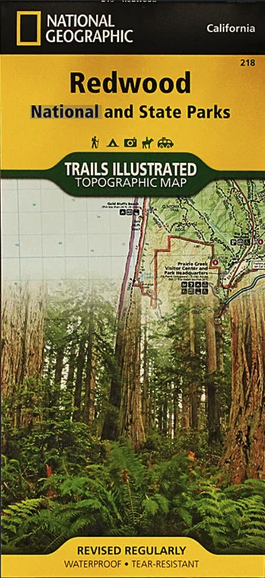
Digital Maps:
You should only use digital apps or tools that include government-issued topographical layers such as from the USFS and USGS to ensure accurate information. Here are some suggested digital maps and tools for the Redwood National and State Parks:
- Gaia GPS – Redwood National and State Parks
- Interactive map of California State Parks – Does not feature the National Park. Only displays Del Norte Coast Redwoods State Park, Jedediah Smith Redwoods State Park, and Prairie Creek Redwoods State Park.
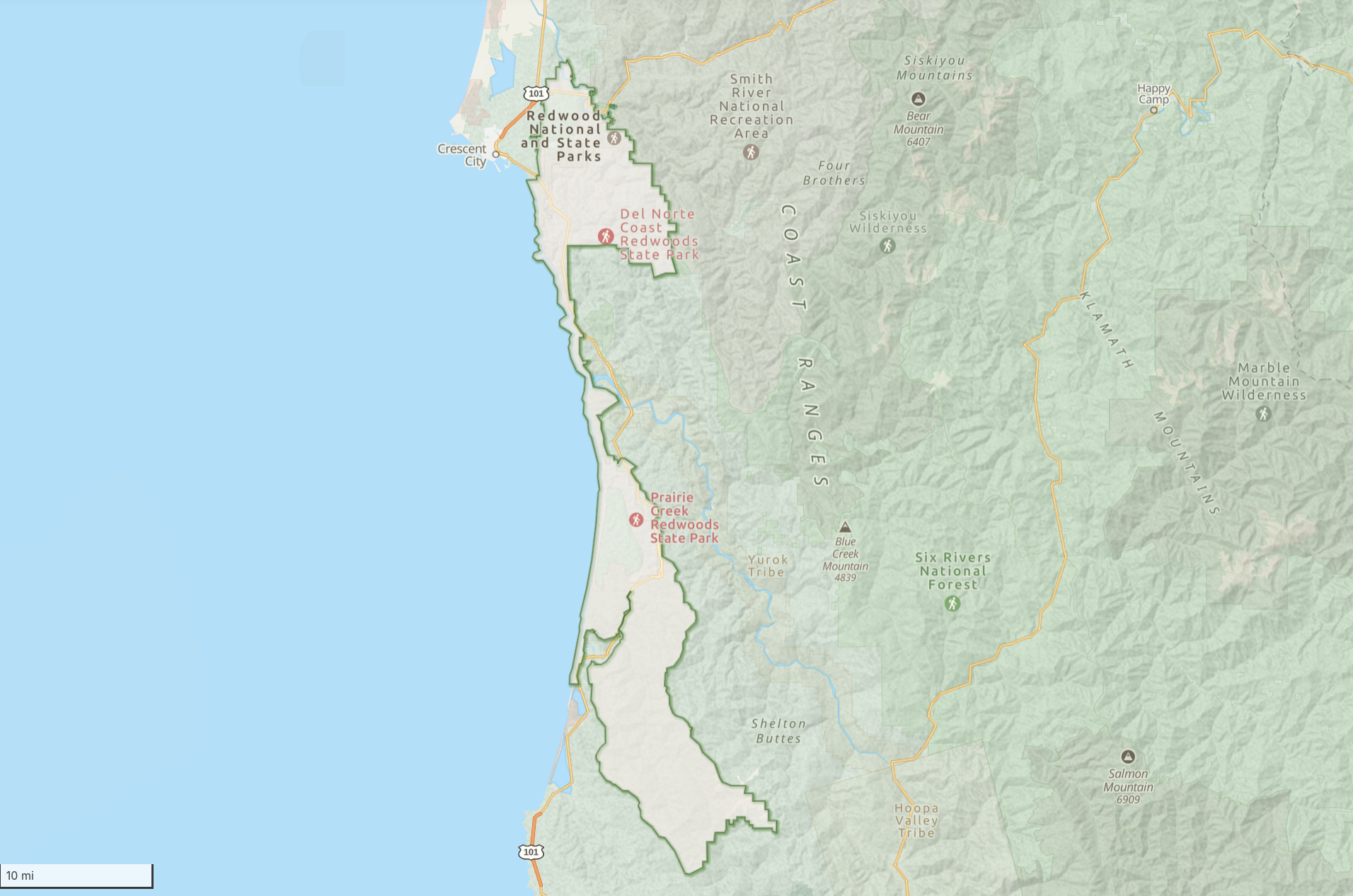
- PDF map from the NPS – Redwood National & State Parks (shown below)
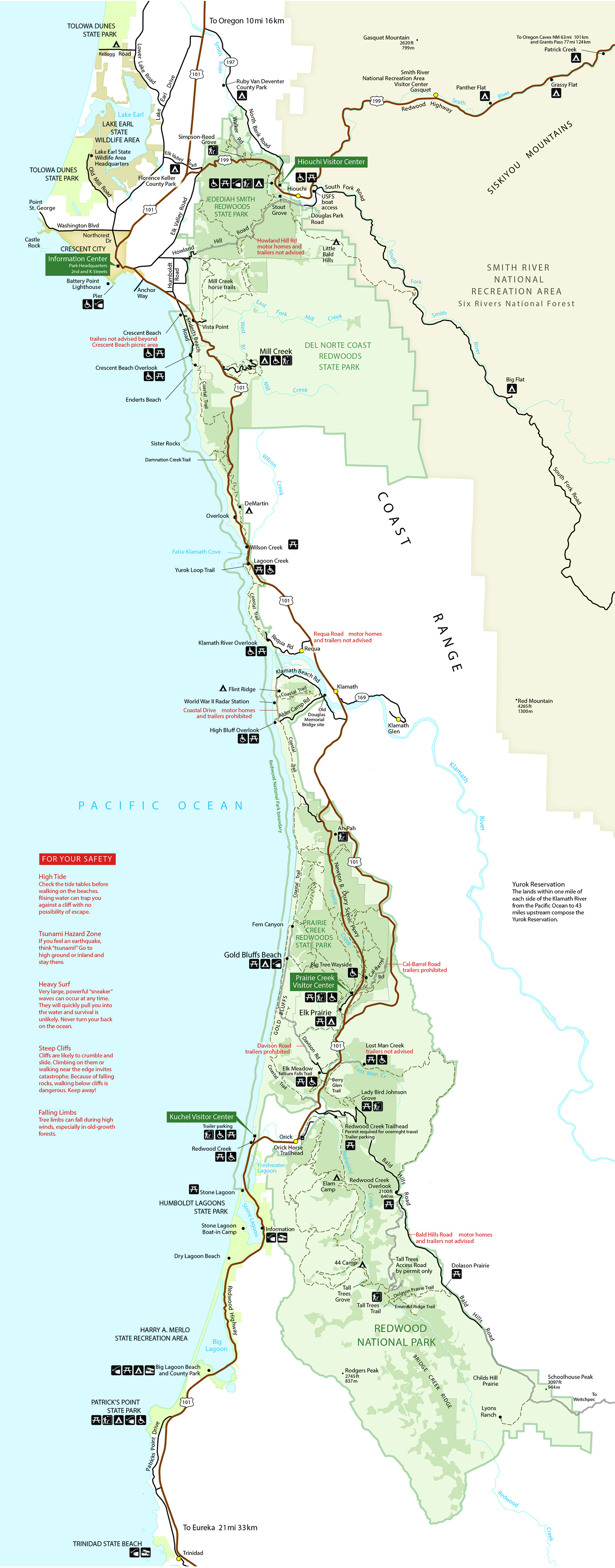
Map: National Park Service. Click to open full size and zoom.
Safety Tips For Navigation:
It is great to see apps encouraging outdoor exploration, but please be cautious (or avoid) using crowd-sourced hiking and camping apps. They often lead to trails and routes that do not exist, cut through sensitive habitat, or lead to off-limits and dangerous areas. This puts wildlife, ecosystems, hikers, and rescue teams at risk.
Instead, use maps and information that are sourced directly from the managing agency of the area. If you need help, just contact the local ranger district and they will be happy to provide resources.
How To Plan A Trip Here (Quick Review)
- Confirm your goals for the trip:
- How many nights?
- How many people?
- How many miles?
- What time of year?
- Specific destination or activities (get to a lake? fishing? summit a peak?)
- Use local maps and navigational resources:
- See the “Maps and Navigation” section above to do your research.
- Choose which of the four parks you will camp in (this will affect what type of camping you can do, and where you can camp):
- Redwood National Park:
- Backpacking only
- Primitive campsites available, and limited dispersed camping
- Prairie Creek Redwoods State Park:
- Backpacking and car camping available
- Developed campgrounds and primitive campsites available
- Del Norte Coast Redwoods State Park:
- Car camping only
- Developed campgrounds only
- Jedediah Smith Redwoods State Park:
- Car camping only
- Developed campgrounds only
- Redwood National Park:
- Based on your response to question #3, determine the following logistical details:
- Getting there: Find out what roads you can take (access roads within the State Parks or National Park), the trailhead location, and parking availability.
- How you’ll secure your campsite: You will either need to submit for a permit, or make a camping reservation through the State Park. See the “Where you can camp in X park” sections above for details on how to get permits or make reservations (there is a section for each of the 4 parks).
- Trail/route details: What type of trail is it (out-and-back, loop, point-to-point), and what is the total elevation gain?
- Terrain: Is the area forested, in a meadow, near the coast, are there water crossings, exposed areas, rough roads that require AWD?
- Water sources: Are there reliable fresh water sources along your trail and near your chosen camping spot?
- Backups: Consider having one or two backup routes or trails in mind depending on the permits and reservations that are available.
- Know the local rules:
- See the “Where you can camp in X park” sections above for additional details on group size, fire restrictions, pets, and other local rules (there is a section for each of the 4 parks).
- Contact the Redwood National & State Parks or visit the NPS site for current conditions and alerts for your chosen route:
- Road conditions: Oftentimes roads can be closed due to damage and repairs. Confirm before you leave for your trip, and have alternative routes or plans in mind.
- Trail conditions: Trails may be closed for maintenance, wildfire or flood damage. This may affect your trip if you plan to go on day-hikes or adventures, or if you are backpacking.
- Local weather: Mountain and wilderness weather is very local, changing dramatically within just a few miles. Always check the weather for your exact dates. I recommend the National Weather Service.
- Water sources: As stated earlier, you should confirm water sources and their availability/reliability with a ranger.
- Wildfires: This should never be overlooked. Make sure you have a safe evacuation route, and are up-to-date on current fires and areas of risk. Use the “Active Wildfire Map” from American Forests.
- Other: There’s a lot that can happen – bear encounters, flash floods, thunderstorms, rock slides. When in doubt, just call the Redwood National & State Parks for information.
- Enjoy the trip – the rest is up to you!
- Now that you’ve planned out your trip, the rest is up to you for packing, preparing supplies, and making it all come together.
- Check out other camping resources to help you with your trip, including “Camping Gear For Beginners” and “An Intro To Public Lands.”
The Natural World
Fauna
From the Pacific Ocean into the heavily wooded mountains, there’s a unique variety of wildlife to witness and appreciate at the Redwood National & State Parks.
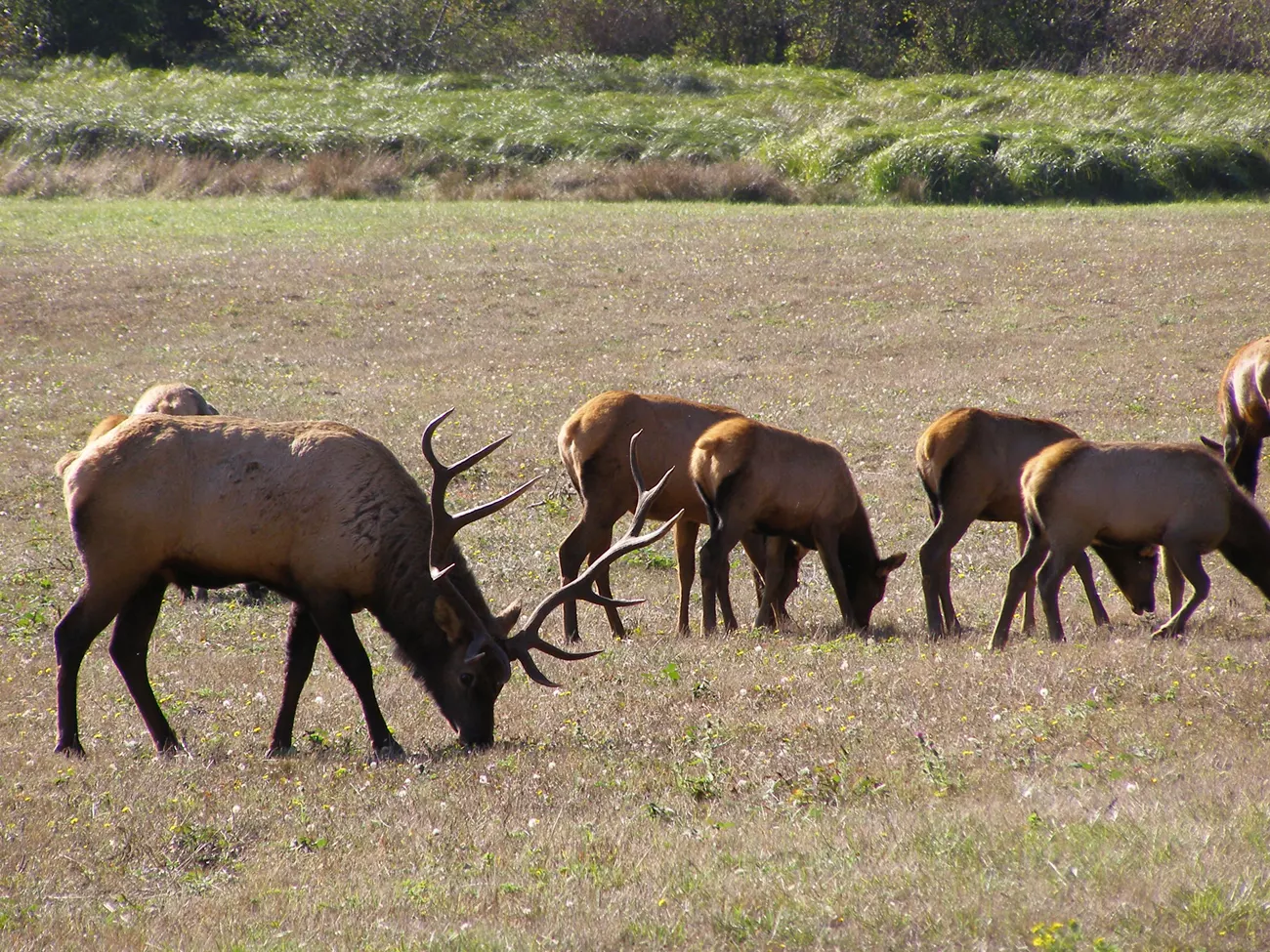
Roosevelt Elk
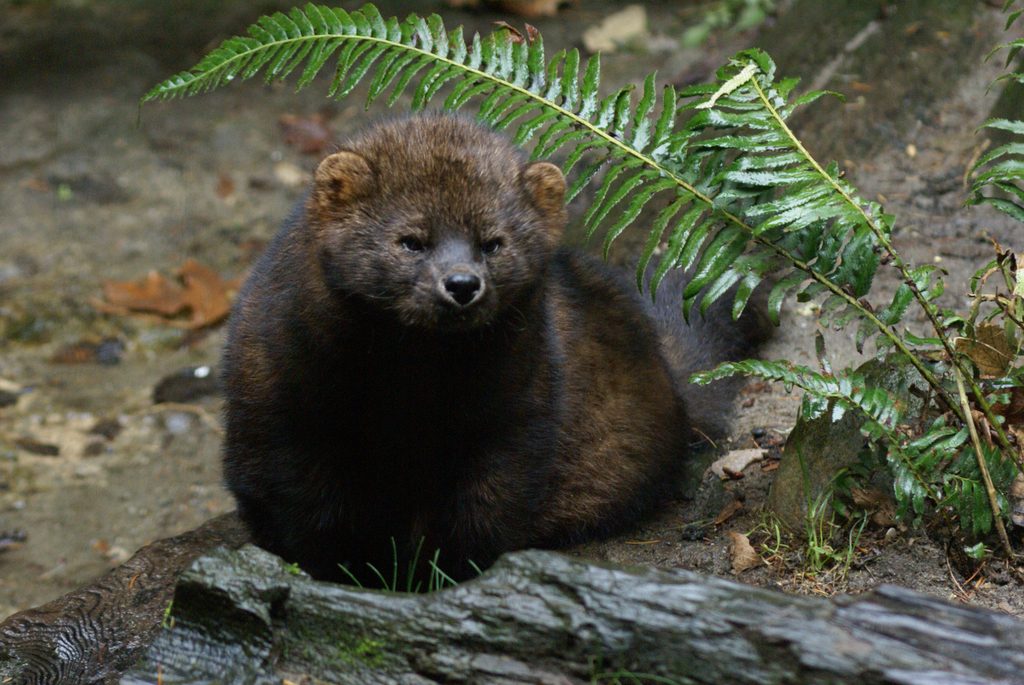
Fisher
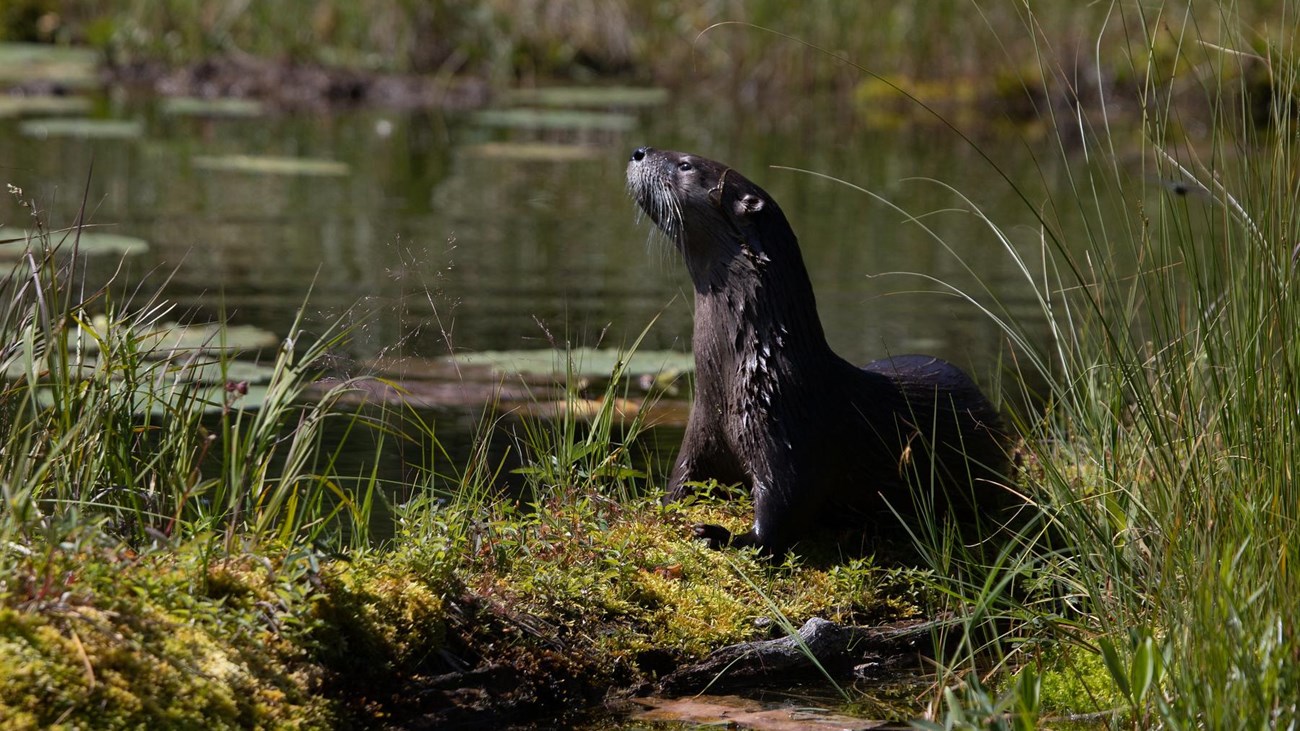
River Otter
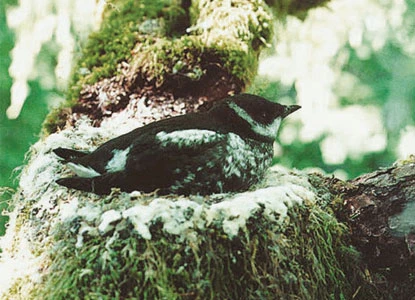
Marbled Murrelet
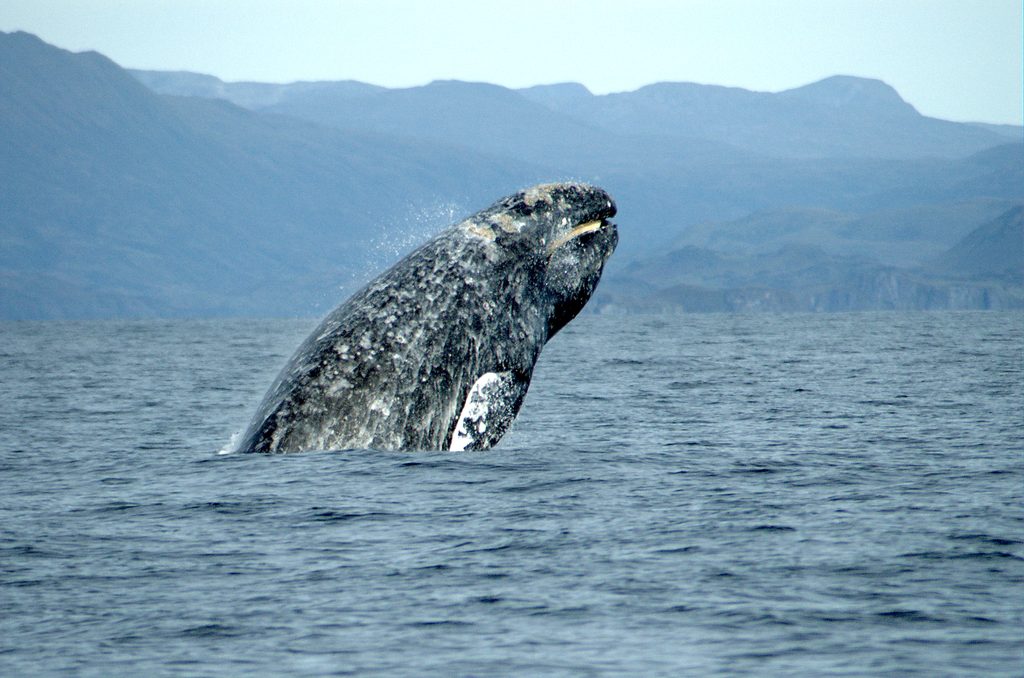
Gray Whale
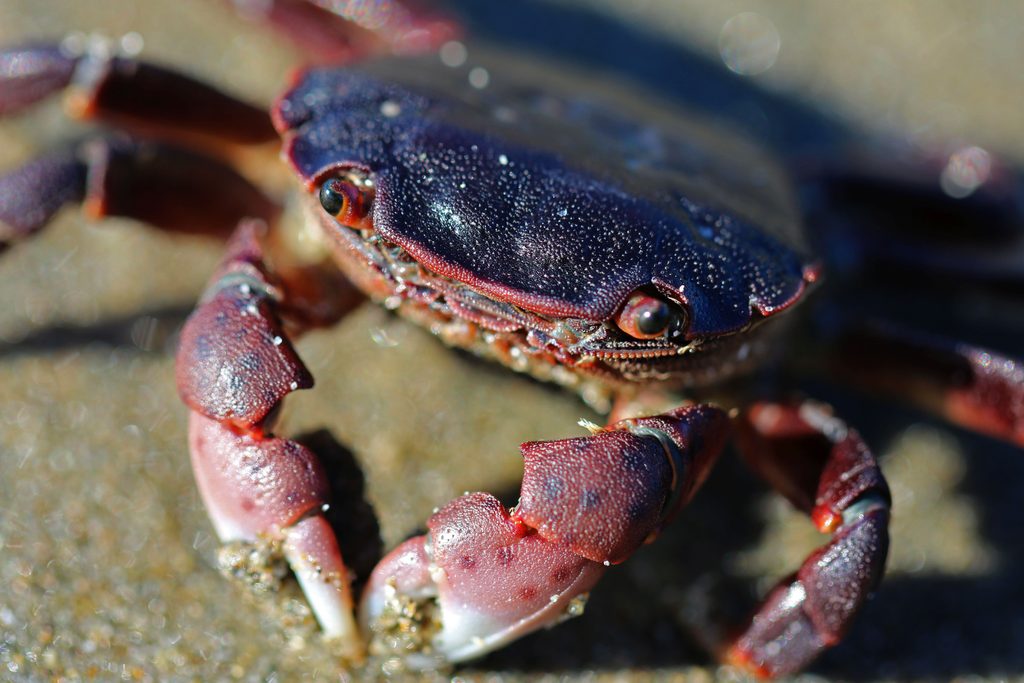
Purple Shore Crab
Flora
Coastal areas, dense forest groves and sprawling meadows provide a widely varied and interconnected ecosystem of beautiful plants and blooms.
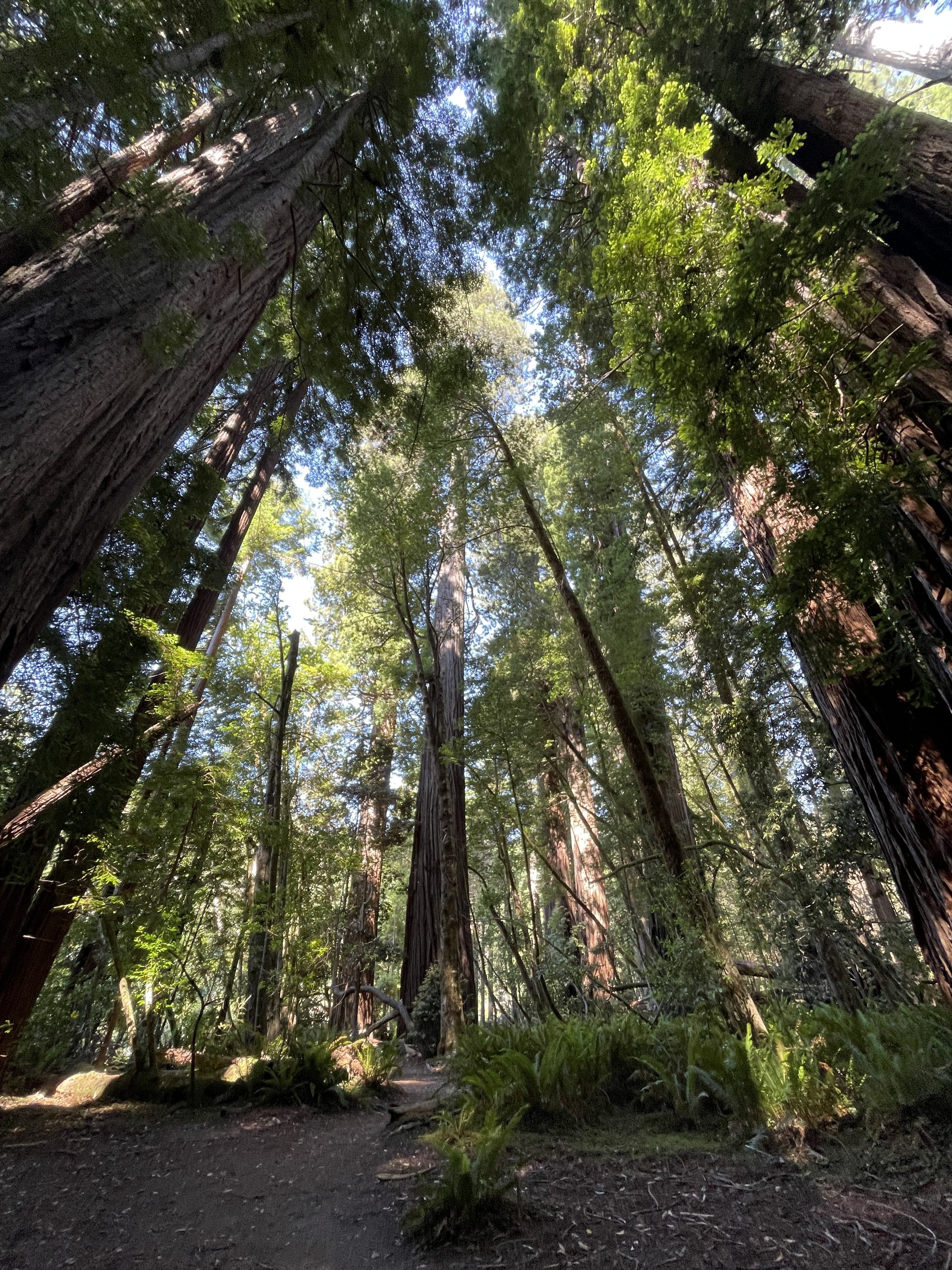
Old-Growth Redwoods
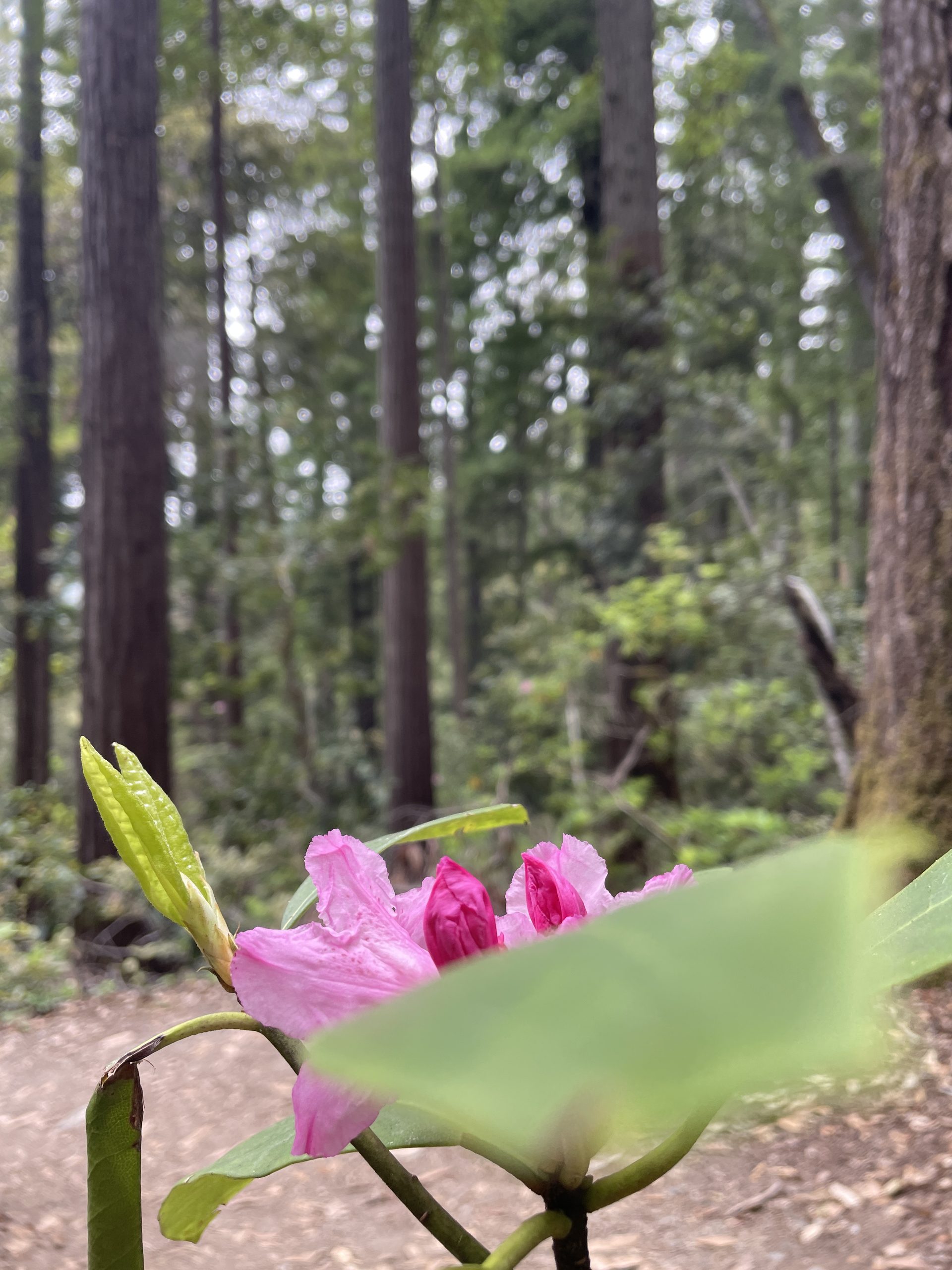
Rhododendron
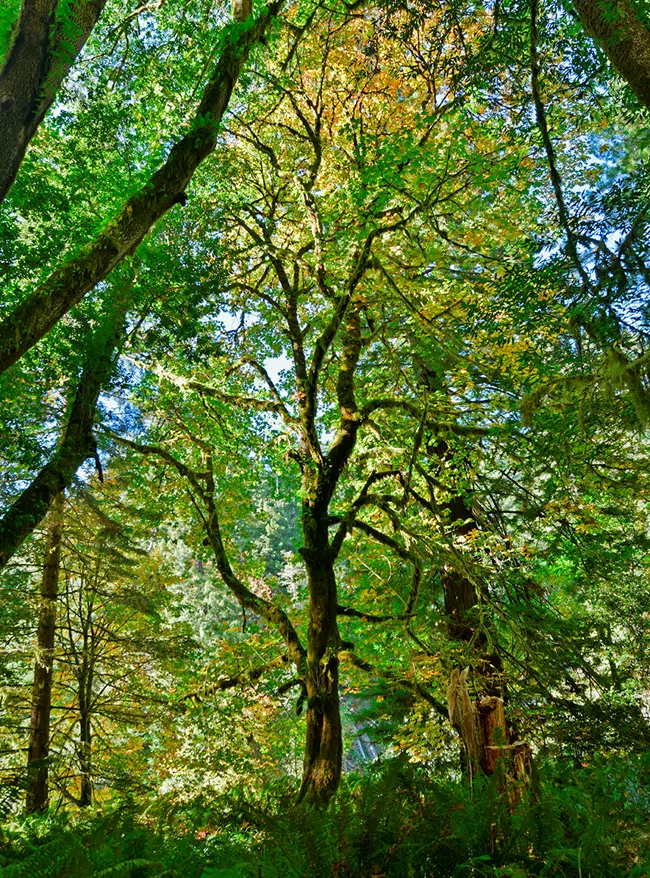
Bigleaf Maple
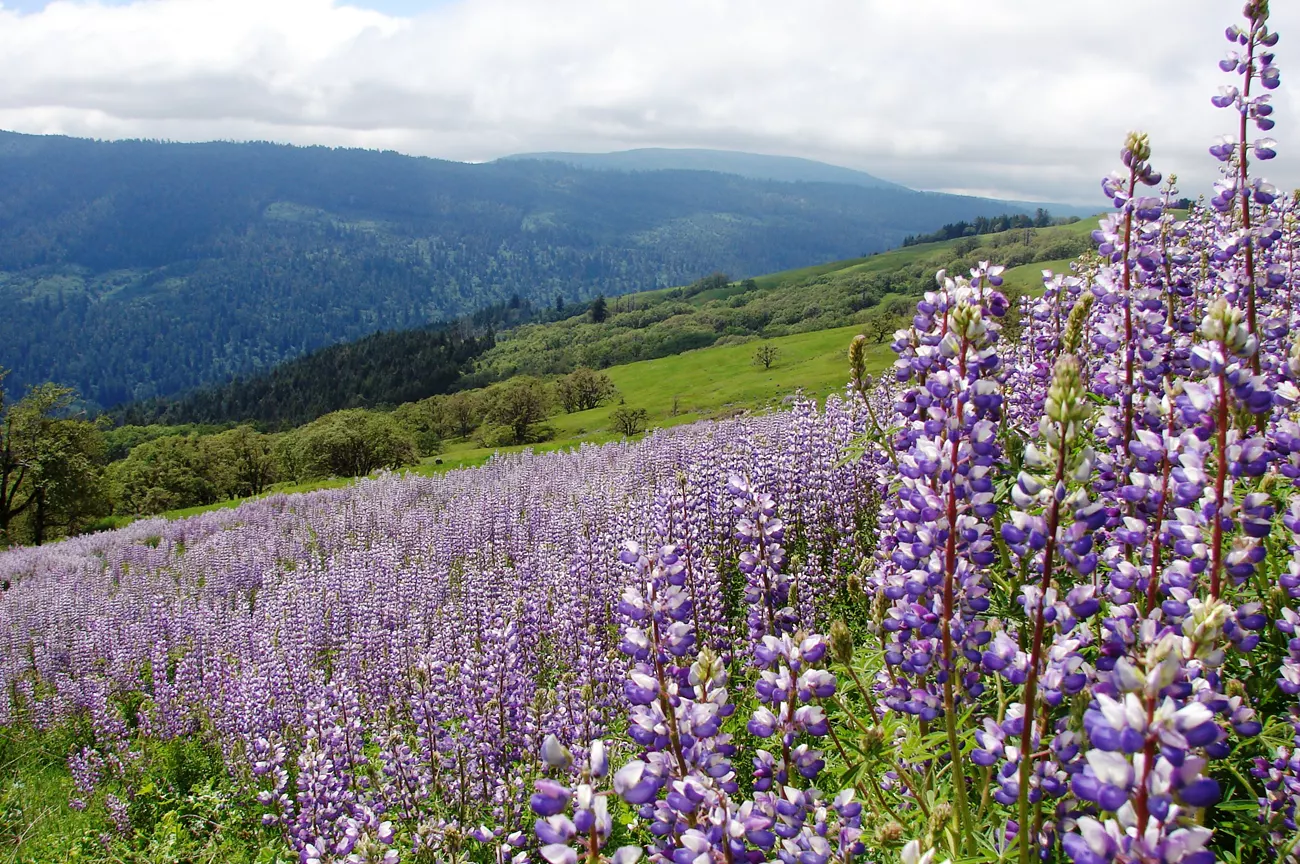
Riverbank Lupine
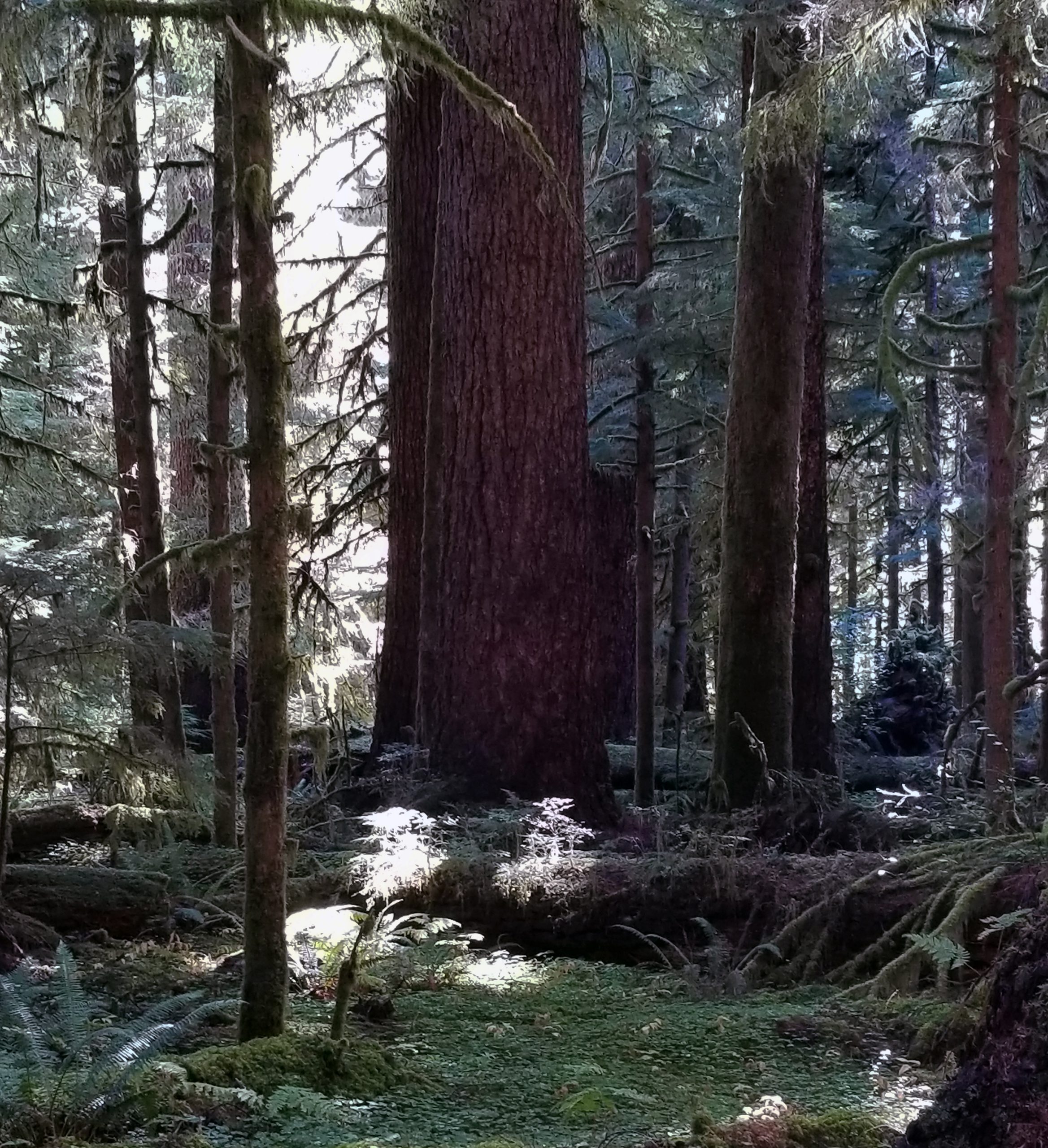
Coast Douglas Fir
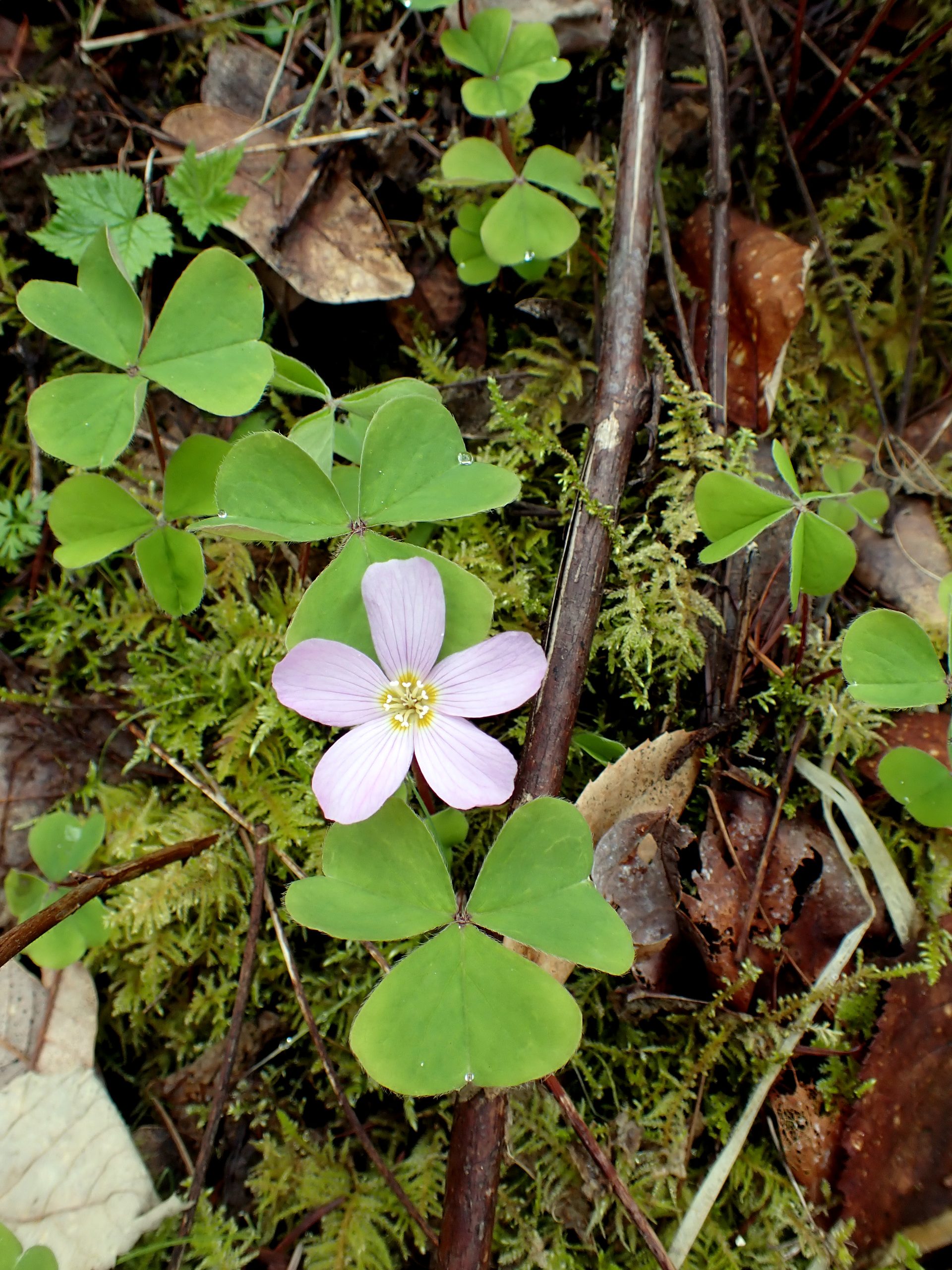
Redwood Sorrel
Geology
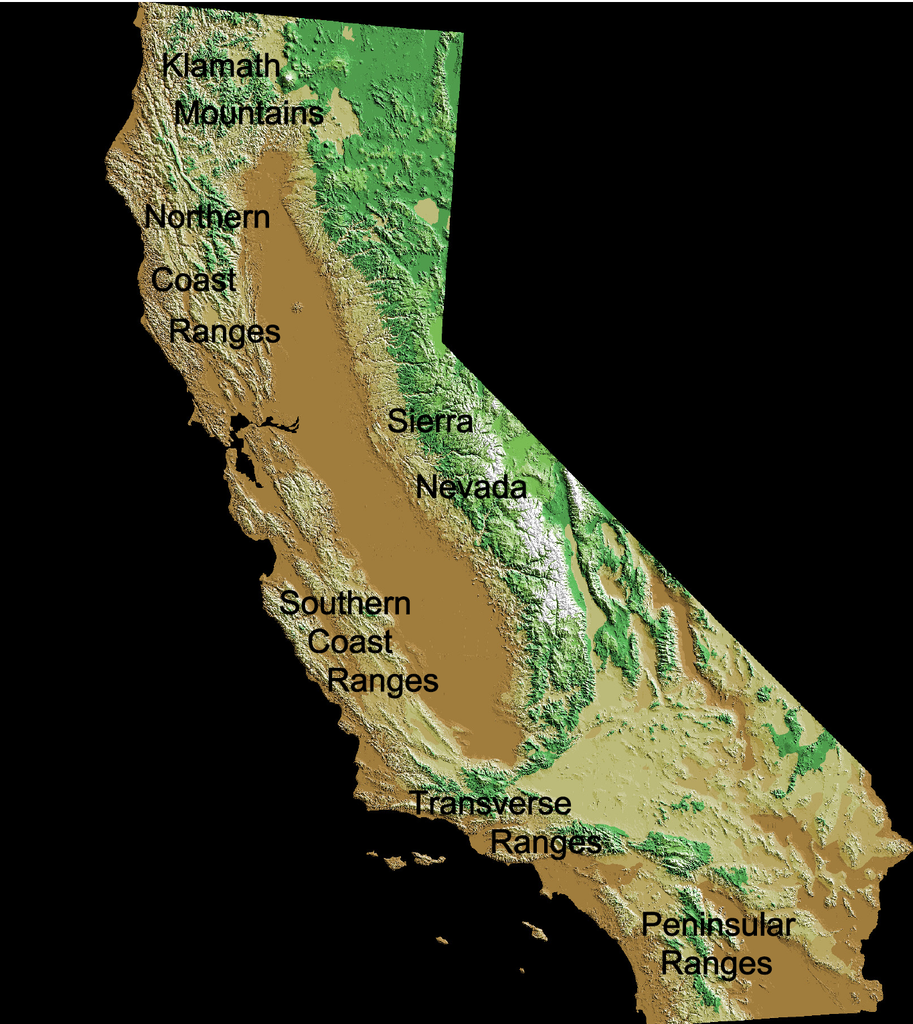
Redwood National Park lies within the Northern Coast Ranges, along their boundary with the Klamath Mountains. The Northern Coast Ranges are part of the larger California Coast Ranges, which follow the Pacific coastline from near Santa Barbara, CA, to near the California-Oregon border. Most of the park’s bedrock belongs to the Franciscan Complex, a mix of rocks scraped from the ocean floor as it was pushed under the North American plate. This includes sandstone, mudstone, chert, greenstone (volcanic rock from the seafloor), and schist, a metamorphic rock.
Some of the rocks within the Coast Ranges are more than 150 million years old, while the mountains themselves formed within the last 5 million years, exposing the ancient rocks. In fact, the Coast Range mountains are still rising today. Farther south, parts of the Coast Ranges were once connected to the Sierra Nevada and were separated by intense tectonic activity, particularly along the San Andreas Fault. Most interestingly, the Coast Ranges contain evidence of some of Earth’s most significant geologic events, including cooled magma from when the supercontinent Pangaea was breaking apart.
Brief History
Original Inhabitants
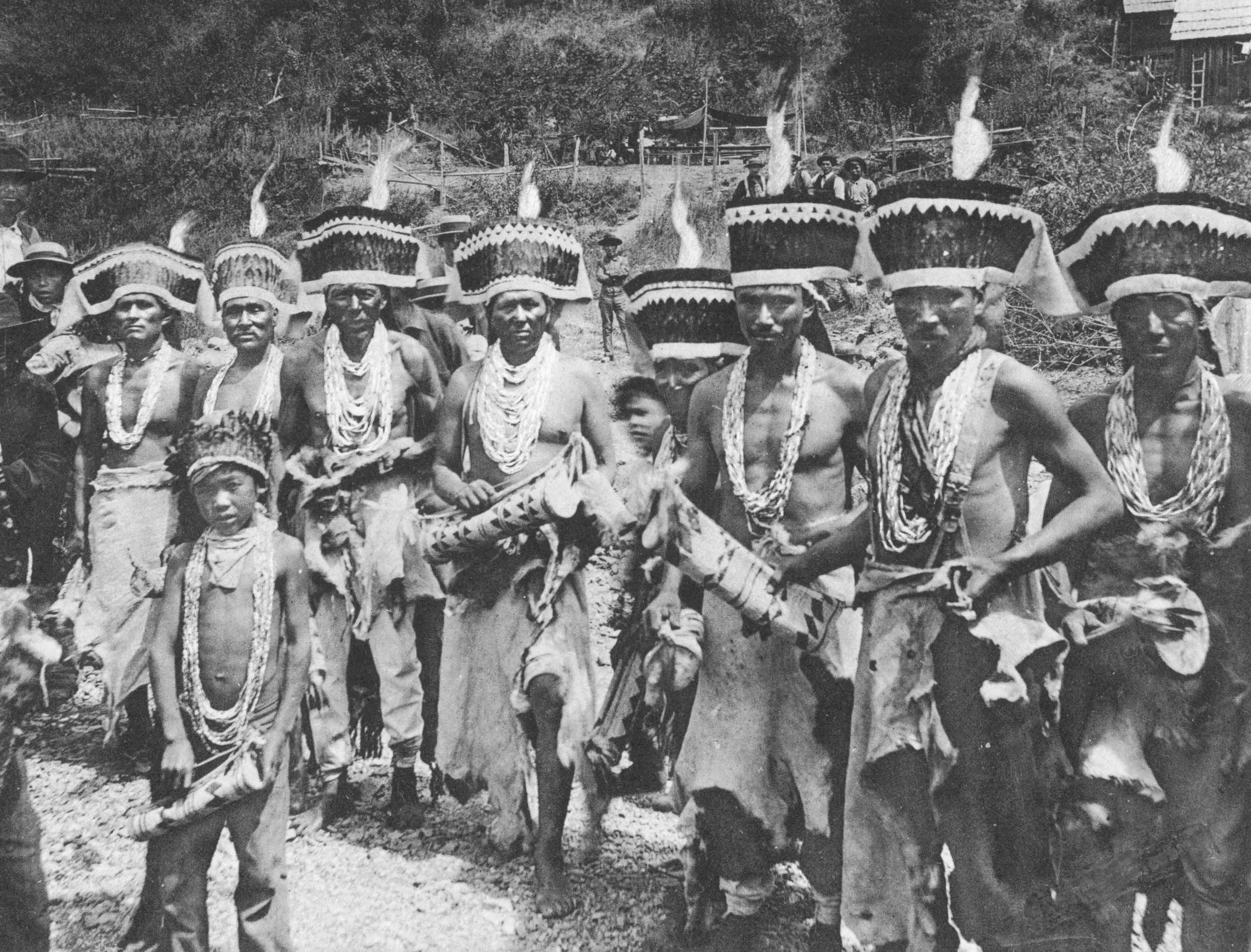
The Northern Coast Range and redwood forests have been home to numerous indigenous tribes for the last 10,000+ years, including the Yurok, Hupa, Karuk, and Tolowa peoples. Many of their descendants live on and off reservations in the region today. Each tribe had its own culture and language, but they shared trade networks and sustained themselves on salmon, acorns, wild game, and a redwood forest ecosystem roughly 20 times larger than what remains today. Many homes were plank houses built from split redwood, often taken from fallen trees.
Today, several of the tribal councils are involved with the parks’ management plans, enabling the introduction of traditional indigenous practices for habitat restoration, wildlife management, and prescribed fire, which had been used for millennia to manage the land.
Modern History
Europeans had made some contact with the region between the 16th and early 19th centuries. It was the Gold Rush, beginning in 1848, that brought an influx of settlers to the region, which quickly grew into not just a gold mining operation, but an enormous timber operation that brought massive destruction to the old-growth redwoods and entire ecosystem. Even more tragic was the forced displacement and massacres of the indigenous communities of the area, including the 1860 Wiyot massacre that occurred near modern-day Eureka, CA.
By the early 20th century, the destruction had become so severe that we saw the creation of the Save The Redwoods League in 1918 to help preserve what remained of the old-growth redwoods. In the 1920s they helped create several of the redwood state parks, and by the 1960s the League and others had acquired over 100,000 acres, which helped lead to the creation of Redwood National Park in 1968 and the State and National Parks that we see today.
How To Support The Redwood National & State Parks
A Note On Public Lands Today
Public lands in the United States exist because people chose long-term care over short-term gain, lands that had been previously stewarded for generations by indigenous nations. That protection is never guaranteed. It depends on laws, funding, leadership, and public attention.
Unfortunately, recent federal decisions continue to weaken protections and increase pressure from extractive use and private enterprises. This puts ecosystems, natural resources, wildlife, cultural sites, historical sites, gateway towns, local and national economies, and public access at major risk.
If you appreciate public lands and the benefits they provide to all of us, please help support them through action and conversation.
National Parks Conservation Association
National Forest Foundation
Trust For Public Land
The Nature Conservancy
The Sierra Club Foundation
The National Audubon Society